Few luxury brands have an origin story like Cohiba’s. It began as a private cigar made for Cuba’s leadership and diplomatic gifts, and grew into the most recognised cigar name in the world. This is a concise history of how Cohiba came to be, how the range grew, and why it still matters to cigar smokers today.
The name
“Cohiba” comes from the language of the Taíno, the indigenous people of Cuba and the Caribbean. It is usually translated as tobacco, or the bundle of rolled tobacco leaves the Taíno smoked when Europeans first arrived in 1492. The stylised Taíno head on every Cohiba band is a nod to those origins.
1960s: a private cigar
The story most often told begins in the early 1960s. A bodyguard to Fidel Castro was smoking an unusually fine, aromatic cigar made privately by a Havana roller named Eduardo Ribera. Castro asked for more, and the blend was developed into a cigar made exclusively for the government. In 1966 production moved to El Laguito, a former mansion in the Havana suburb of Siboney, which remains the brand’s spiritual home. That year is treated as the brand’s founding date, which is why anniversary editions like the Cohiba 1966 and 55 Aniversario count from it.
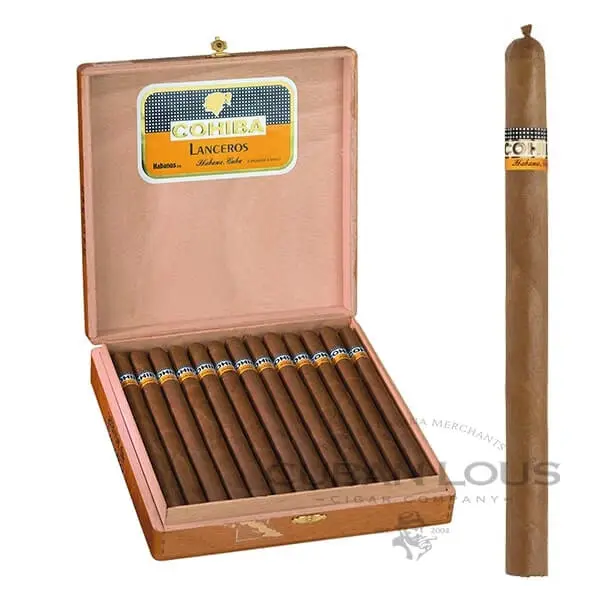
The first sizes were long and slender, Laguito No. 1, No. 2 and No. 3, which became the Lanceros, Coronas Especiales and Panetelas. For years, Cohibas were given only as gifts to heads of state and diplomats, which only added to their mystique.
The Cohiba method
- Tobacco from a small number of top farms in the Vuelta Abajo region of Pinar del Río.
- An extra fermentation of the filler leaves, traditionally in barrels, which smooths the smoke and gives the brand its signature character.
- Highly skilled rollers. El Laguito became famous for its team of torcedoras, women rollers.
1982: Cohiba goes on sale
In 1982 Cohiba was released to the public, starting with the three original sizes. Its reputation spread quickly through Europe and the rest of the world, everywhere except the United States, where the embargo kept it off the market. That gap led to a separate, non-Cuban Cohiba being made for the U.S. market by General Cigar, a story we cover in Cuban vs non-Cuban Cohiba.
Building the range
| Year | Milestone |
|---|---|
| 1966 | Production begins at El Laguito; the first Laguito sizes |
| 1982 | Public launch (Lanceros, Coronas Especiales, Panetelas) |
| 1989 | Robusto, Esplendidos and Exquisitos join the Línea Clásica |
| 1992 | Línea 1492 (Siglo I–V) marks 500 years since 1492 |
| 2002 | Siglo VI introduces the Cañonazo size |
| 2006 | The first Behike, a very limited 40th-anniversary release |
| 2007 | Maduro 5, Cohiba’s first maduro line |
| 2010 | Behike 52, 54 and 56 become a regular line |
| 2012 | Pirámides Extra added |
| 2016 | 50th anniversary; the Medio Siglo joins Línea 1492 |
| 2021 | 55th anniversary releases |
Alongside the regular lines, Cohiba has released many Ediciones Limitadas, Reservas, Gran Reservas and special humidors, which are prized by collectors. Browse current examples in our limited editions section.
Why Cohiba still matters
Cohiba is Habanos S.A.’s flagship brand, and its prices reflect the tobacco selection and extra processing behind it. For many smokers it is the reference point for what a Cuban cigar should taste like: smooth, aromatic and refined, with honey, cedar and cream. Whether you start with a Siglo II or save up for a Behike 54, you’re smoking a piece of that history.
Frequently asked questions
When was Cohiba founded?
1966, at the El Laguito factory in Havana. It went on public sale in 1982.
What does Cohiba mean?
It’s a Taíno word usually translated as tobacco, or a bundle of rolled tobacco leaves.
What was the first Cohiba cigar?
The long, slim Laguito No. 1, known today as the Cohiba Lanceros.
Tobacco products are sold only to adults of legal smoking age in their province or territory. Smoking is harmful to your health.